LANGFANG CITY, HEBEI PROVINCE, CHINA, March 4, 2026 /EINPresswire.com/ — The global market for brick-making machinery has expanded steadily in recent years, driven by rising construction activity across Asia, Africa, the Middle East, and parts of South America. As governments in these regions continue to fund large-scale infrastructure projects — roads, housing blocks, drainage systems, and public utilities — demand for reliable, high-output construction equipment has grown accordingly. Brick machine manufacturers have responded by broadening their product lines, improving automation capabilities, and competing more actively in export markets.
This article looks at how the top brick machine manufacturers are positioning themselves in this evolving landscape, what products are gaining traction, and what sets the more competitive players apart from the rest.
1. A Market Built on Construction Demand
Global construction output has surpassed $13 trillion annually in recent years, according to estimates from Oxford Economics and Global Construction Perspectives. A significant portion of this activity is concentrated in emerging economies where affordable, locally produced building materials remain essential. Brick — whether clay-based, cement-based, or fly ash composite — remains one of the most widely used structural materials in these markets.
This demand feeds directly into the brick machinery sector. Manufacturers supplying automatic block-making machines, hydraulic press systems, and related concrete processing equipment have seen consistent order volumes from contractors, precast concrete plants, and government-affiliated construction enterprises.
2. Core Products Defining the Industry
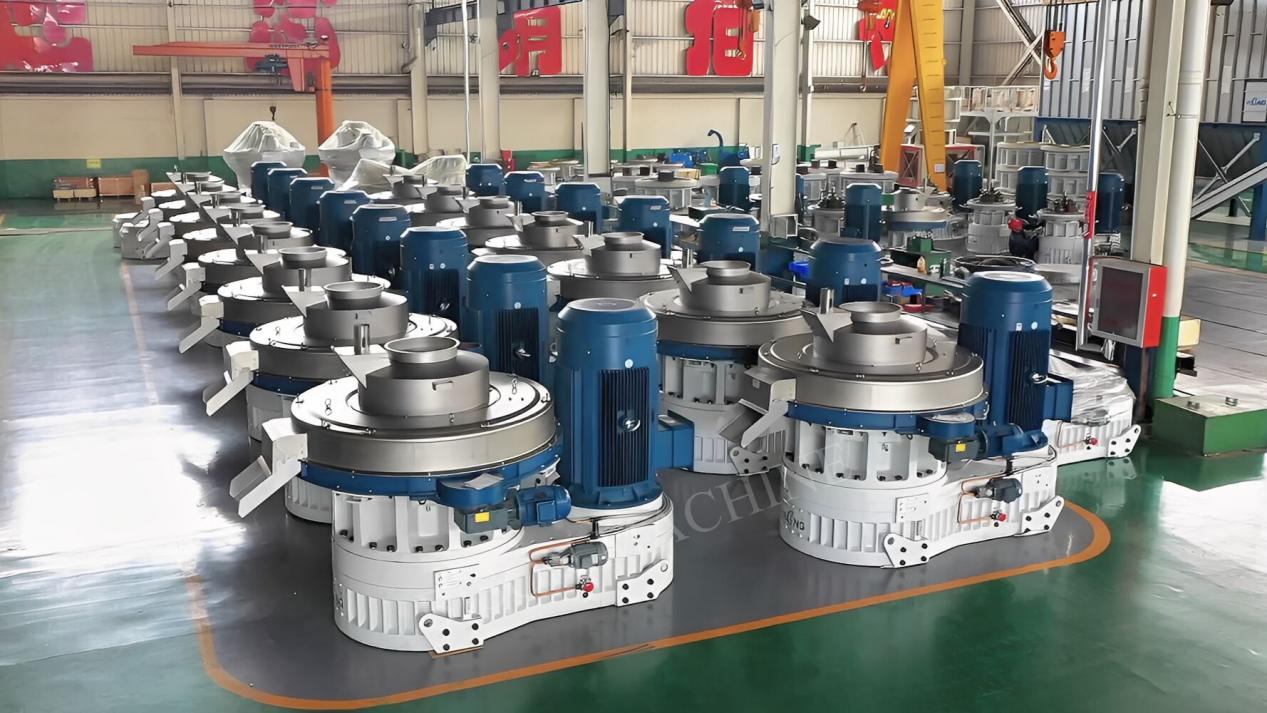
Brick machine manufacturers today typically offer a range of equipment that goes beyond simple block-pressing units. The competitive players in this space supply full production lines that may include raw material feeders, mixers, mold-change systems, curing chambers, and stacking equipment.
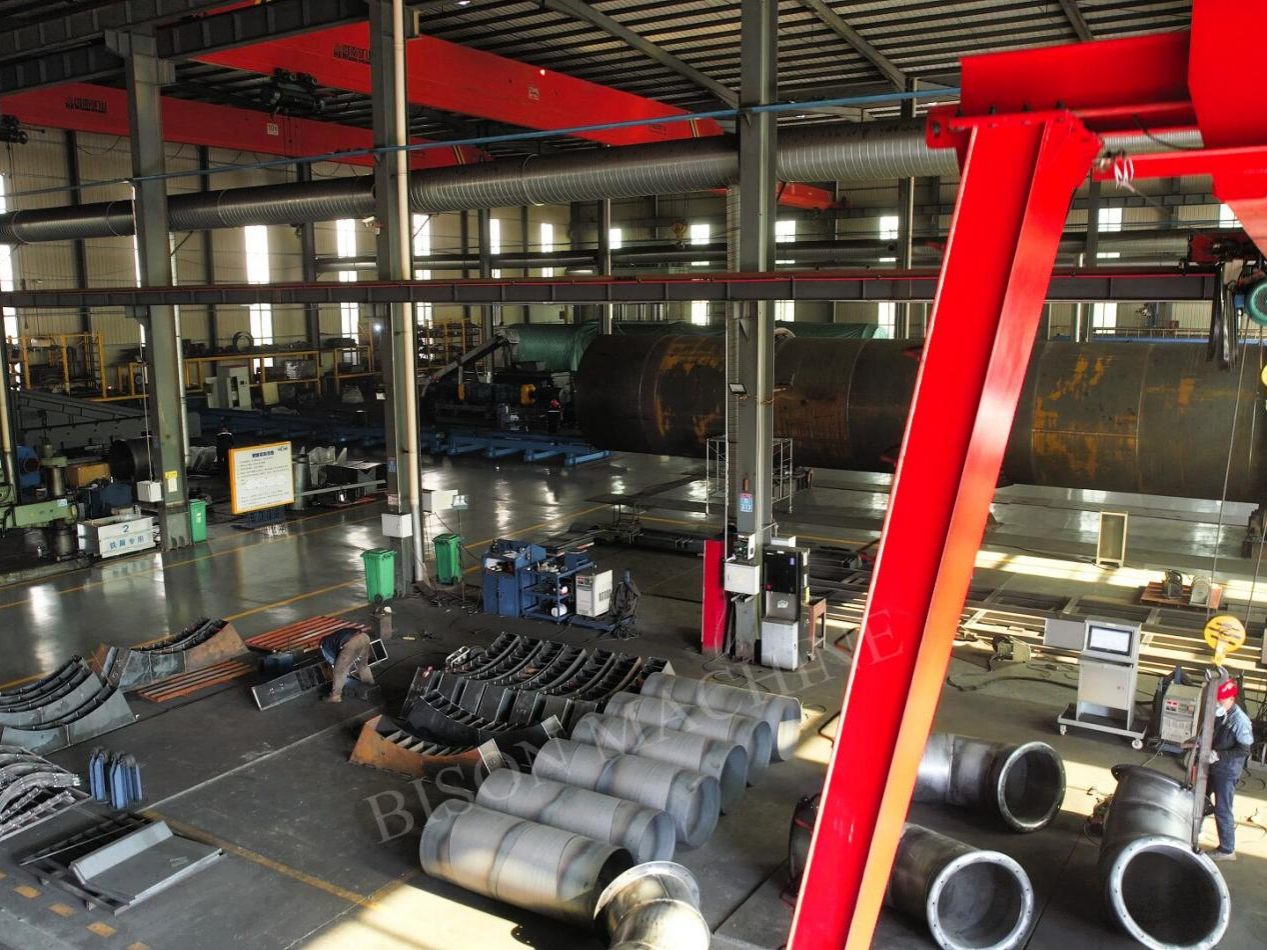
Among the product categories that have gained particular relevance in infrastructure-heavy markets is the Concrete Pipe Making Machine — equipment used to produce drainage pipes, culverts, and utility conduits for municipal and road construction projects. Demand for such machines has risen notably as cities across Southeast Asia and sub-Saharan Africa have stepped up investment in underground drainage and sewage networks. Equally important is the Concrete Mixing Plant, which serves as the foundation of any large-scale concrete production operation, allowing contractors and precast manufacturers to control mix ratios, output volumes, and consistency across project sites.
Manufacturers that can supply both core block-making units and these auxiliary systems in a coordinated package tend to hold an advantage when bidding on larger infrastructure contracts.
3. Automation and Technical Upgrades
One of the clearest trends in the brick machine industry in recent years has been the move toward greater automation. Early-generation equipment relied heavily on manual feeding and stacking, which introduced inconsistency and required larger workforces. Current mid-to-high-end machines increasingly incorporate programmable logic controllers (PLCs), automated palletizing arms, and touch-screen interfaces that allow operators to monitor production parameters in real time.
This shift has been relevant not just for productivity but also for product quality. Hydraulic pressure consistency, vibration frequency control, and automated mold changeover reduce defect rates and allow manufacturers to meet tighter dimensional tolerances — a requirement for products destined for formal construction projects with defined specifications.
Energy consumption has also come under greater scrutiny. Manufacturers in China, which remains the world’s largest supplier of brick and block machinery, have faced regulatory pressure to reduce per-unit power consumption in industrial equipment. This has pushed R&D investment toward more efficient motor systems and optimized hydraulic circuits, with measurable results now visible across the product lines of established manufacturers.
4. What the Leading Manufacturers Have in Common
The top brick machine manufacturers share several practical characteristics. First, they maintain broad product catalogs that cover multiple block types — hollow blocks, paving bricks, interlocking tiles, curbstones — and can configure production lines around client-specific requirements. Second, they operate established quality control systems, often holding ISO certification and producing equipment that meets CE standards for export to European and regulated markets.
Third, and perhaps most practically, the leading manufacturers invest in after-sales infrastructure. For buyers in markets far from the production base, installation support, operator training, and availability of spare parts are often deciding factors in purchasing decisions. Buyers operating in Nigeria, Ethiopia, Bangladesh, or the Philippines typically cannot absorb the downtime that comes with poor post-sale support.
Langfang Nianpeng Mechanical Equipment Processing Co., Ltd., based in Hebei Province, China, is one of the manufacturers that has built its position through this kind of full-cycle service model. The company produces a range of construction machinery equipment and has developed a customer base that includes buyers from multiple developing markets. Its product offering and technical support structure reflect the direction that competitive mid-tier manufacturers in China have taken to differentiate themselves in an increasingly crowded export landscape.
5. Supply Chain and Cost Pressures
Like most manufacturers of heavy industrial equipment, brick machine producers have faced significant cost pressure in recent years. Steel prices — the dominant input for machine frames, molds, and hydraulic components — experienced sharp volatility not long ago, and while conditions have since stabilized to a degree, manufacturers have had to build greater flexibility into their procurement and pricing models.
Shipping costs, which surged during and after the COVID-19 period, also affected the economics of exporting machinery. Chinese manufacturers supplying markets in Africa and South Asia reassessed their freight arrangements and, in some cases, established regional warehouse or assembly points to reduce lead times. These adaptations have now become standard practice among the more organized players in the industry.
These pressures have encouraged consolidation among smaller manufacturers that lack the scale to absorb cost fluctuations, while larger and more established players have reinforced their positions as a result.
6. Where the Industry Stands Now
At present, the brick and block machinery market has entered a phase characterized more by quality competition than simple volume growth. Markets in Africa and South Asia have absorbed substantial quantities of entry-level equipment in recent years, and buyers in these regions are now more selective. Repeat purchases and referral-based sales have become important channels, which places greater weight on how well machines perform over time rather than just at the point of sale.
Precast concrete — including pipes, panels, and standardized structural components — accounts for a growing share of construction activity as labor costs rise and project timelines tighten across many developing markets. This has made equipment in these categories relevant to a broader range of buyers than was the case not long ago.
Manufacturers that have invested in digital capabilities — remote diagnostics, machine monitoring software, and streamlined spare parts ordering — have gained ground over those that rely solely on hardware quality. The after-sale relationship has become the primary arena where customer loyalty is established and maintained.
7. Conclusion
The brick machine manufacturing sector is competitive, technically demanding, and closely tied to the pace of global construction. The manufacturers that have risen to prominence in this market have done so through consistent product quality, broad equipment ranges, and practical support for the buyers they serve. The standards buyers apply when evaluating suppliers have risen considerably, and manufacturers that treated quality and after-sales service as equally important have been the ones to benefit.
The current competitive environment makes clear that succeeding in this industry requires more than capable hardware. It requires the organizational capacity to support customers across geographies and over the full lifespan of the equipment — a standard that now defines the difference between manufacturers that grow and those that stagnate.
8. About Langfang Nianpeng Mechanical Equipment Processing Co., Ltd.
Langfang Nianpeng Mechanical Equipment Processing Co., Ltd. is a construction machinery manufacturer based in Langfang, Hebei Province, China. The company specializes in equipment for concrete and block production, with products serving construction contractors, precast yards, and infrastructure projects in both domestic and international markets. Its operations focus on equipment durability, technical consistency, and responsive after-sales support.
Address: North Dian Village West,nanjianta Town, Guangyang District, Langfang City
Official Website: www.np-brickmachine.com
Cao
Langfang Nianpeng Mechanical Equipment Processing Co., Ltd.
np15243331888@163.com
Legal Disclaimer:
EIN Presswire provides this news content “as is” without warranty of any kind. We do not accept any responsibility or liability
for the accuracy, content, images, videos, licenses, completeness, legality, or reliability of the information contained in this
article. If you have any complaints or copyright issues related to this article, kindly contact the author above.